
Published on: May 6, 2026 | Time to read: 19 min
Event marketing 'cheat codes' transform one-day gatherings into continuous audience journeys through pre-event hype, interactive experiences, and strategic follow-up. These tactics help marketers overcome rising costs and budget constraints while building communities that deliver measurable ROI beyond traditional metrics.
Key Takeaways
- Begin building pre-event hype immediately after announcing your date through tiered ticketing strategies and by mobilizing speakers and sponsors as promotional partners.
- Transform passive attendees into active participants by gamifying engagement with points, leaderboards, and meaningful prizes that drive desired behaviors.
- Treat virtual attendees as first-class citizens with dedicated hosts, interactive features, and exclusive experiences to maximize hybrid event success.
- Repurpose event content into multiple assets (video clips, blog posts, social graphics) to extend value long after the event ends.
- Use AI for hyper-personalization to create unique journeys based on attendee profiles, behaviors, and interests.
- Connect event activities directly to revenue by measuring pipeline influence and calculating ROI using a simple formula: (Event Value - Event Cost) ÷ Event Cost × 100.
Table of Contents
- Cheat Code 1: Master the Pre-Event Hype Machine
- Cheat Code 2: Engineer Unforgettable Live Experiences
- Cheat Code 3: Turn Post-Event Follow-Up into a Community
- ADVANCED CHEAT CODE: Leverage AI for Hyper-Personalization
- ADVANCED CHEAT CODE: Market Your Event's Sustainability
- The Final Boss: Proving Event Marketing ROI
Unlocking Your Event's Full Potential
Event marketing cheat codes are smart, actionable strategies that help you get more from your events. Instead of just focusing on the day itself, these tactics create an experience that starts early and lasts long after. They can turn attendees into true fans and boost your return on investment.
Let's be honest, old event marketing playbooks feel a bit dated. Creating a successful event has become more challenging than ever. In fact, a 2024 survey of event professionals from ExhibitorLIVE found that rising costs and tight budgets are the biggest issues organizers face today. It is time for a smarter approach.
The goal is no longer just a one day affair. It's about building a continuous journey for your audience. This means creating buzz beforehand and keeping the conversation going afterward. It also means embracing new formats. Data from Brella shows that many businesses now use virtual events alongside their in person gatherings, expanding their reach.
In this guide, we'll walk you through powerful strategies for every stage. We will cover pre-event tactics to build excitement, ideas for amazing during-event experiences, and post-event follow-ups that drive real results. Plus, we'll share a few advanced plays to put you ahead of the competition.
Questions to Ask Before Launching Your Event Marketing Strategy
- How will you create a unique experience beyond just sharing information?
- What specific actions do you want attendees to take before, during, and after the event?
- How will you measure success beyond simple attendance numbers?
- What value can you provide to virtual attendees that's different from in-person?
- How will you maintain momentum between your pre-event hype and the actual event date?
- What content from the event can be repurposed afterward, and for which channels?
- How will you prove the event's ROI to leadership or stakeholders?
- Which sustainability initiatives can you incorporate that align with your audience's values?
- What technologies could personalize the experience for different attendee segments?
- How will you convert one-time attendees into an ongoing community?
Cheat Code 1: Master the Pre-Event Hype Machine
Your pre-event marketing should begin the moment you announce the date. The goal is not just to sell tickets but to build an eager community. Focus on creating a strong sense of FOMO, or fear of missing out. Make people feel like your gathering is the one event they absolutely cannot skip this year.
A simple trick is to get your speakers, sponsors, and employees involved early. Turn them into your biggest cheerleaders. In fact, research highlighted by StoriesIncorporated based on Edelman data shows that content shared by employees gets eight times more engagement than when shared by the brand itself. This simple step expands your reach instantly.
Create Urgency with Tiered Ticketing
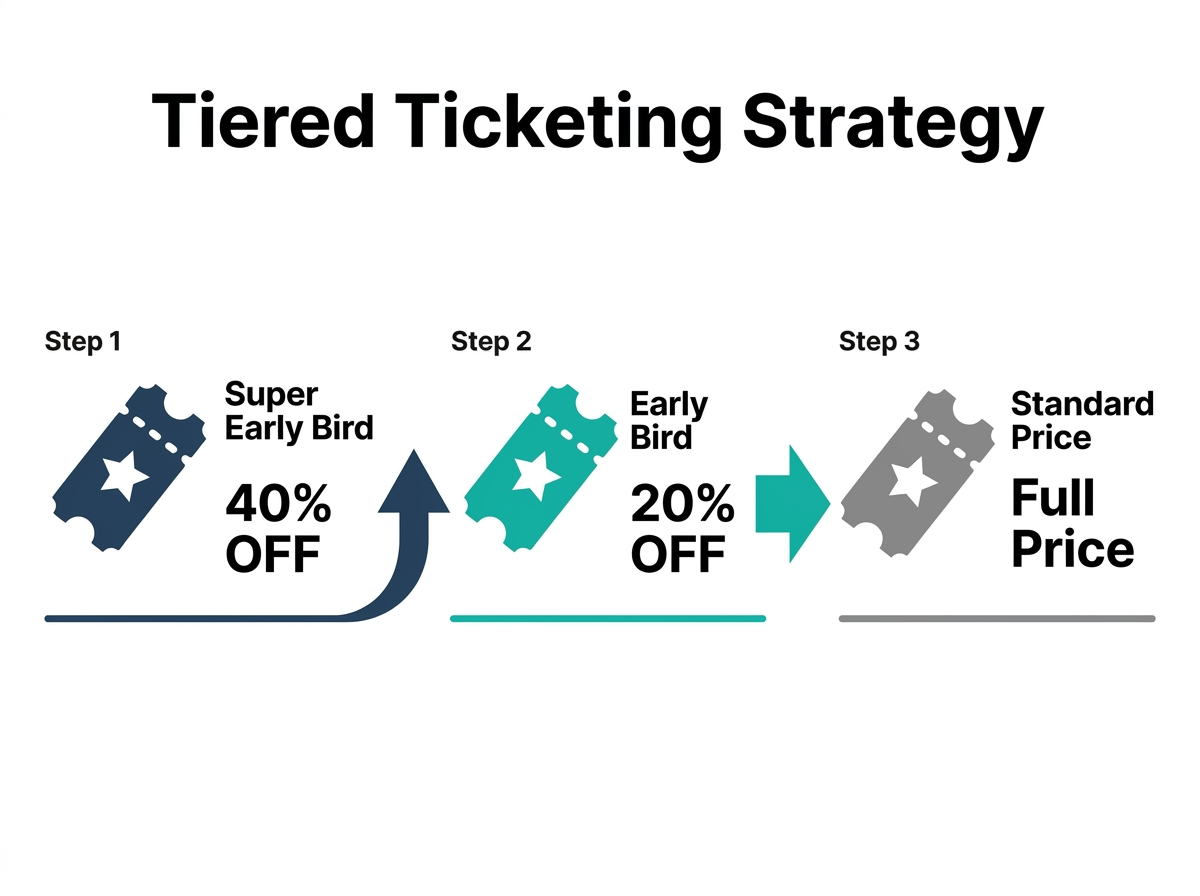
A tiered ticketing strategy is a great way to drive early sales. It uses psychology to create urgency by offering different prices at different times. An early-bird discount makes attendees feel smart for planning ahead. It also creates a fear of missing out on the best price, which encourages quick decisions.
A simple structure works best. You could offer a "Super Early Bird" ticket with a big 40% discount months before the event. Follow that with an "Early Bird" tier at 20% off. After those are gone, all remaining tickets are sold at the standard, full price. This predictable pattern motivates buyers.
It is not always about cutting prices, though. You can also add extra value to your premium or VIP tickets. Think about including access to an exclusive Q&A with a speaker or a bag of free swag. This makes buyers feel like they are getting a special experience, not just a cheaper ticket.
This tactic really works to fill seats. For instance, an academic analysis of pricing strategies shows these offers can shift a huge portion of demand away from full-price tickets. This helps you lock in attendees and revenue much earlier in your planning cycle.
Turn Speakers and Sponsors Into a Promotion Army
Your speakers and sponsors are more than just names on a poster. They are powerful marketing partners waiting to be activated. By involving them in your promotion, you can amplify your message. They help you reach new, relevant audiences you might not otherwise access.
This strategy is effective because people trust other people more than they trust brands. In fact, research from Tribal Impact highlights that partner and employee networks can have ten times more connections than a company’s own follower count. Their endorsement lends your event instant credibility and expands your reach significantly.
To make this happen, create a simple “promo kit” for them. This digital folder should contain everything they need to share your event with one click. This small effort on your part removes all the friction for them. It makes it incredibly easy for them to say yes to promoting.
Inside the kit, include custom graphics featuring their headshot and session title. Also provide pre-written social media posts tailored for different platforms like LinkedIn or X. A unique tracking link or discount code is another great addition. It helps them feel valued and shows you who your best advocates are.
Consider turning it into a friendly competition. Offer a prize for the speaker who drives the most sign ups. A small bonus or special on stage recognition can create powerful motivation. This approach is a core part of building strong sponsor relationships that last beyond a single event. It shows you see them as true partners.
Cheat Code 2: Engineer Unforgettable Live Experiences
The live event is your main show. All the pre-event hype leads to this moment. Your goal is to deliver an experience people will remember. The best way to do this is by moving attendees from passive listeners to active participants. Make it interactive for everyone, both in-person and online.
Gamification is a fantastic way to boost engagement. For example, a scavenger hunt in your event app can guide people to sponsor booths. This was a huge success for the AVS Conference, which used a game to create a buzz and drive traffic. It makes exploring the event fun and interactive.
Gamify Engagement with Points and Leaderboards
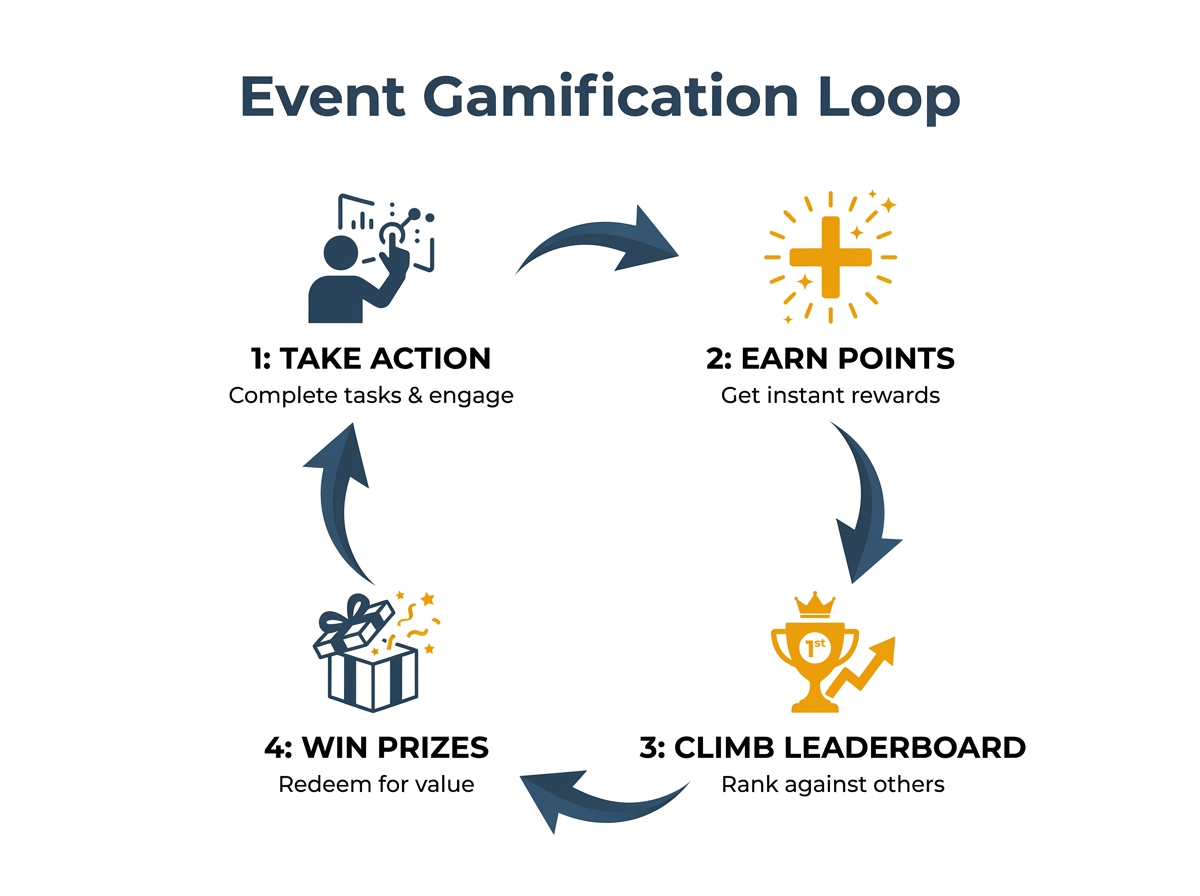
Turning your event into a game is a powerful way to keep people engaged. You can create a simple point system right inside your event app. Award points for actions that matter to you. For example, give attendees points for visiting a sponsor's booth, asking a question during a session, or connecting with another person.
Make the competition friendly and visible. A live leaderboard displayed on screens in a central area works wonders. When people can see their names climbing the ranks, it fuels their competitive spirit. This simple visual cue encourages more participation. It keeps attendees exploring what else they can do to earn more points.
But the points need to lead to something worthwhile. The best way to motivate people is with prizes they actually want. Think beyond a simple t-shirt. Offer a free ticket to your next event, a high-value tech gadget like a tablet, or an exclusive dinner with your keynote speakers. The better the prize, the more people will play.
This is not a new idea, and many events have used it for great results. For example, some conferences have seen this strategy drive attendees to visit every single exhibitor. It transforms a simple checklist into an exciting challenge, making sure no sponsor is left unseen.
This approach also provides you with valuable data. You can see which sessions, speakers, and exhibitors were the most popular. It is a win for everyone. Attendees have more fun, sponsors get more traffic, and you get clear insights to plan an even better event next year.
Make Virtual Attendees First-Class Citizens
With hybrid events, you cannot just set up a webcam and call it a day. A passive livestream makes your online audience feel like they are peeking through a window. They are watching the event, but they are not really a part of it. This has to change.
Treating virtual attendees with care is not a temporary trend. In fact, Markletic data shows that 63% of organizers plan to increase their investment in virtual events. This shows that creating a quality experience for your online audience is a top priority for successful planners.
A great way to start is by assigning a dedicated “Virtual Emcee.” This person's only job is to be the host for the online audience. They monitor the chat, reply to comments, launch polls, and share important links. They make the virtual crowd feel just as important as the people in the room.
The virtual emcee can relay questions from the online chat directly to the speakers during Q&A sessions. This simple act bridges the gap between the physical stage and the digital viewers. It transforms passive viewers into active participants and shows them that their voices are heard.
Go one step further by creating experiences just for them. You could host virtual-only networking breakout rooms. You could also offer a private “Ask Me Anything” (AMA) session with a keynote speaker after their main talk. This adds exclusive value to the virtual ticket and makes it a premium experience.
Real-World Example: AVS Conference
The American Vacuum Society (AVS) Conference implemented a scavenger hunt-style gamification system called ScanHunt within their EventPilot app. This interactive game drove targeted foot traffic to exhibitor booths while creating meaningful interactions between attendees and sponsors. The AVS Chief Operating Officer described the initiative as "a tremendous success, creating a great buzz and a sense of rejuvenation" throughout the event.
Cheat Code 3: Turn Post-Event Follow-Up into a Community
Many planners think the event is over once the lights go out. But the post-event phase is where you capture long-term value. Instead of sending one generic thank you email, your goal should be to keep the conversation going. This is how you turn attendees into a real community.
Time is your biggest enemy here. The excitement from an event fades fast. In fact, a study highlighted by Motarme on lead response times found that many companies take too long to follow up, letting valuable opportunities go cold. You must act quickly to keep the momentum you worked so hard to build.
Repurpose Event Content into a Dozen New Assets
Your event is a content goldmine, not just a one-time gathering. But many planners miss this opportunity. They focus on the live show and forget the value inside every session. With a little planning, you can make your event content work for you long after it’s over. This creates a lasting impact.
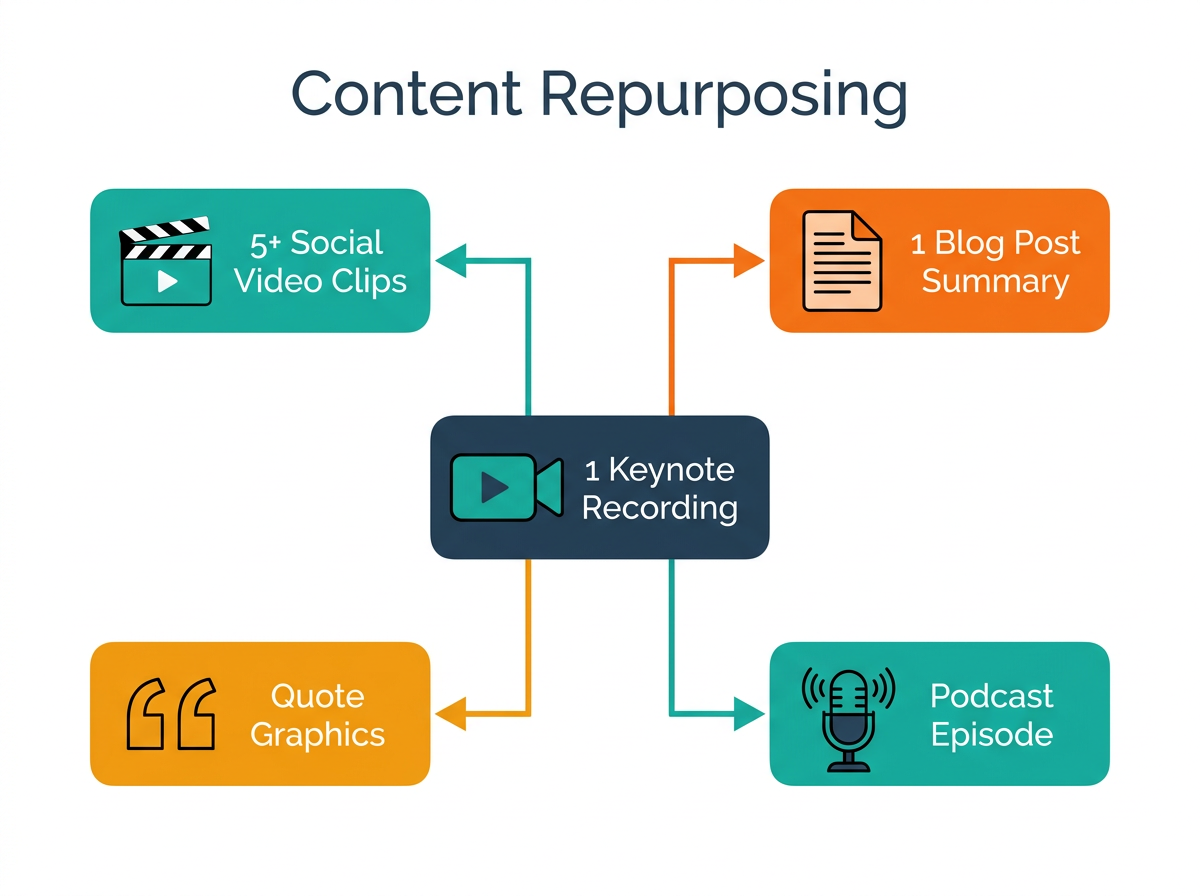
Think about a single 45-minute keynote. You can take that one recording and slice it into many new pieces of content. This strategy multiplies the value you get from each speaker. It's about working smarter, not harder, to fill your marketing calendar for weeks to come.
For example, you could create five short video clips for social media. Or, write a blog post with the main takeaways. A powerful quote can become a shareable graphic. You can even make an audio-only version for a podcast. Suddenly, one talk becomes dozens of assets for you to use.
And you don't need a huge team to do this. User-friendly tools can help create clips quickly. In fact, a breakdown from WideFrame shows how AI can automatically find the best moments in long videos and turn them into social media-ready shorts. This makes the whole process fast and simple for any team.
Package this content into a library for your attendees. This adds extra value to their ticket. You can also use it as a lead magnet for people who could not make it. This is a core part of a modern marketing strategy that keeps delivering results. [Read The Ultimate Guide to Content Repurposing for more ideas.]
ADVANCED CHEAT CODE: Leverage AI for Hyper-Personalization
Let’s move beyond the standard playbook. The most forward-thinking event marketers are now using artificial intelligence to create a completely unique experience for every attendee. This is not just a buzzword. It is a practical tool that moves your event from a one-size-fits-all model to a deeply personal journey.
Think about it. In a typical event, everyone gets the same schedule and the same emails. But your attendees are not all the same. They have different goals, job titles, and interests. AI helps you recognize and act on these differences. It analyzes data to understand what each person truly wants from your event.
So how does this work in the real world? It starts with smart recommendations. For instance, some event platforms now use AI to power session recommendations based on an attendee’s profile and behavior. The system can suggest which talks to attend or even which people to meet for the best networking experience.
This level of hyper-personalization makes attendees feel understood and valued. It ensures they get the most out of their time, boosting their satisfaction a lot. This is what modern operations, like those using The Zulu Method for scaled B2B marketing, strive for. It turns your event into a smarter, more relevant experience for everyone involved.
ADVANCED CHEAT CODE: Market Your Event's Sustainability
Talking about your event's green efforts is another powerful cheat code. More people now choose to support businesses that care about the environment. Highlighting your sustainability plan shows you are a modern, responsible brand. This can make your event stand out from the competition in a meaningful way.
This isn't just a feel-good trend. It's a real factor in people's decisions. In fact, insights from McKinsey show nearly 70% of consumers are willing to pay more for sustainable goods. When you share your eco-friendly choices, you are speaking directly to what your audience values. This makes your brand and event more appealing.
You can start with simple, clear actions. Communicate your efforts in your marketing materials. Talk about how you are reducing waste with digital tickets instead of paper. Or mention that you are sourcing food from local farms. You could also partner with a charity to donate leftover materials or food after the event ends.
Make sure to tell this story on your event website, in your emails, and on social media. Consider creating a dedicated page that lists all your green initiatives. This transparency builds trust with your attendees and sponsors. It shows that you are truly committed to making a positive impact beyond just your event's bottom line.
Ultimately, this strategy does more than just help the planet. It builds a powerful brand identity. It attracts attendees and sponsors who share your forward-thinking values. This creates a stronger, more loyal community around your event. It's a genuine win-win for your business and for everyone involved.
The Final Boss: Proving Event Marketing ROI
You have run a great event, but now you face the final challenge: proving its value. This is where many marketers get stuck. Leadership does not want to hear about social media likes. They want to know how your event impacted the bottom line. Getting this right is the key to securing future budgets and earning your team real credit.
It is time to move past surface-level numbers. Simple metrics like total attendees or sponsor logos do not impress the C-suite. They see these as costs, not results. To prove your event's worth, you must speak their language. That means connecting your activities directly to revenue, pipeline, and customer acquisition.
Focus instead on “pipeline influence.” According to The State of B2B Pipeline Growth 2024 report, over half of all B2B marketers say events are a key channel for generating pipeline. This metric shows how many sales opportunities your event touched or helped move forward, even if it was not the very first touchpoint.
This influence can be huge. The goal is to show that your event played a role in warming up leads that later became customers. For instance, one analysis from Dreamdata found that marketing touches contacts in an impressive 67% of all closed deals. Tracking this shows the true, widespread impact of your marketing efforts beyond just the final click.
To put a final number on it, use a simple Return on Investment (ROI) formula. Just subtract your total event cost from the total value generated, then divide by the cost. As outlined in a helpful event marketing guide from Bizzabo, this gives you a clear percentage showing exactly how much value you created for every dollar spent.
Building the systems to track these metrics can seem tough. It requires connecting your CRM and marketing tools to get a full picture. This is where modern marketing operations, like those using The Zulu Method for scaled B2B growth, come in. They help companies prove the value of every single marketing dollar spent.
Conclusion: Stop Promoting, Start Engineering Experiences
Winning at event marketing means shifting your focus. It is no longer about just promoting a one day affair. Real success comes from engineering a complete experience. This journey starts months before your event and continues long after the doors close. This strategic approach is what separates good events from unforgettable ones.
We have covered a lot of ground, from building pre-event hype to making your live show interactive. But the most powerful plays are using AI for true personalization, turning attendees into a community, and proving your impact with real ROI. These advanced strategies are what deliver the biggest and most lasting results.
Putting these ideas into action can feel like a big step. Especially when it comes to tracking the right data and proving value to your leadership team. This is why many companies look to modern marketing operations frameworks, like The Zulu Method, to build the systems needed for scalable growth and clear reporting.
You do not have to do everything at once. Pick one or two of these cheat codes for your next event. Maybe it is gamifying your app or getting serious about repurposing content. Start small, measure the results, and see the difference for yourself. Your audience and your boss will thank you.
Frequently Asked Questions
What is the main goal of event marketing?
While event marketing can serve various purposes like brand awareness, lead generation, and sales, the ultimate goal is creating a valuable experience that strengthens relationships between audiences and brands. This connection should lead to measurable business outcomes through enhanced loyalty, qualified leads, or direct revenue.
How do you market an event with no budget?
Without a budget, leverage speakers and partners as promotional allies, creating shareable content they'll distribute through their networks. Post on community forums like Reddit or industry Slack groups, utilize free event listing sites, and build a strong email list beforehand. These earned media tactics can generate significant reach without spending.
How do you measure event success?
Measure success against your initial goals using metrics like registration-to-attendance conversion rates, cost per acquisition for leads, pipeline influenced, attendee satisfaction surveys, and meaningful social engagement. Distinguish these from vanity metrics by directly connecting them to business outcomes and ROI.
What are the 3 stages of event marketing?
Event marketing consists of three core stages: Pre-Event (building awareness and driving registrations), During-Event (delivering an engaging, valuable experience), and Post-Event (nurturing leads, building community, and demonstrating ROI). Each stage requires specific strategies to maximize impact and create a continuous audience journey.
What are some event marketing 'anti-cheat codes' to avoid?
Avoid these common mistakes: spamming your email list with excessive messages, neglecting virtual attendees in hybrid events, having no structured post-event follow-up plan, focusing solely on vanity metrics instead of business outcomes, and creating overly complicated registration processes that discourage sign-ups.
How is marketing a virtual event different from an in-person one?
Virtual event marketing emphasizes the landing page as your venue (requiring perfect design), highlights unique benefits like learning from anywhere, and must combat 'Zoom fatigue' by promising high-energy interactive sessions. Marketing must focus on engagement features rather than passive webinar formats to stand out in a crowded digital landscape.