
Published on: April 14, 2026 | Time to read: 16 min
This article explores how to create impactful conferences by starting with a clear purpose, enhancing engagement through technology, and focusing on human-centered experiences. It emphasizes the importance of meaningful networking, sustainability practices, and post-event engagement to transform ordinary events into unforgettable experiences.
Key Takeaways
- Begin conference planning with a clear 'why' that acts as your North Star, guiding all decisions and attracting the right attendees
- Integrate interactive technology like event apps, live polls, and gamification to transform passive listeners into active participants
- Design structured networking opportunities alongside unstructured time to help attendees make meaningful connections
- Prioritize attendee wellness and inclusivity through dedicated quiet spaces, wellness breaks, and clear codes of conduct
- Implement sustainable practices like waste reduction and local sourcing to demonstrate environmental responsibility
- Create a post-event engagement strategy to maintain community connections year-round
Table of Contents
- Beyond the Handshake: Tech-Powered Attendee Engagement
- The Art of Engagement: Keeping Attendees Hooked
- Building Bridges: Engineering Meaningful Networking
- The Human-Centric Conference: Prioritizing Wellness and Inclusivity
- Planning for a Better Planet: Sustainable Event Practices
- Beyond the Final Session: Building a Post-Conference Flywheel
Start with Why: Defining Your Conference's Core Purpose
Before you book a venue or print a single badge, ask the most important question: Why are we hosting this conference? A successful event goes beyond just filling seats. It starts with a clear, powerful purpose. This core "why" acts as your North Star, guiding every decision you make from the first planning meeting to the final closing remarks.
It's easy to get caught up in logistical goals like 'sell 1,000 tickets.' But true impact comes from setting meaningful objectives. Instead, try a SMART goal like, 'increase attendee job proficiency by 20% through hands on training.' This shifts your focus from just getting people there to providing real, measurable value for their time and investment.
To deliver that value, you must know who you're serving. Creating a detailed Ideal Attendee Persona (IAP) helps you understand their challenges and goals. For example, the Freeman Trends Report for 2024 shows networking is a top reason people attend events. Knowing this helps you design experiences that foster meaningful connections, not just broadcast information.
With your purpose and audience clear, you can articulate a unique value proposition. What makes your conference the one they can't miss? It could be a specific focus, like a leadership session that helps attendees move toward purpose-rooted leadership instead of just compliance. This unique angle helps you stand out in a crowded market and attract the right people.
Defining your core purpose isn't just a philosophical exercise. It's a strategic move that makes all your other planning, from marketing to content creation, simpler and more effective. When you know your 'why,' your ideal attendees will know it too. If you need professional support with your conference strategy and execution, explore our comprehensive event planning services.
Beyond the Handshake: Tech-Powered Attendee Engagement

In today's fast-paced world, simply gathering people in a room is no longer enough. Attendees expect dynamic, interactive, and personalized experiences. While face-to-face networking remains invaluable, integrating technology is the key to unlocking a deeper level of engagement that keeps your audience captivated from the opening keynote to the closing remarks.
Turn Passive Listeners into Active Participants
Gone are the days of a single microphone being passed gingerly through the audience for Q&A. Modern events leverage real-time interaction tools to break down the barrier between the speaker and the crowd. Platforms like Slido or Mentimeter allow attendees to submit questions via their smartphones, upvote popular queries, and participate in live polls. This not only democratizes the conversation, giving a voice to the more introverted guests, but also provides speakers with instant feedback on which topics are resonating most.
The Event App: Your Digital Command Center
A well-designed event app is more than just a digital copy of the schedule; it's the central hub for the entire conference experience. Use it to send timely push notifications about upcoming sessions or schedule changes. Empower attendees to build their own personalized agendas and connect with fellow participants who share their interests. Take it a step further with gamification: implement a points system for session check-ins, networking connections, or exhibitor booth visits. A little friendly competition can dramatically boost participation and guide attendees to explore all facets of your event.
Extend the Conversation Online
Your event's reach shouldn't be confined to the four walls of the venue. Create a unique, easy-to-remember hashtag and encourage everyone—speakers, attendees, and sponsors—to use it on platforms like Twitter and LinkedIn. Feature a live social media wall in a high-traffic area to showcase the online buzz and make participants feel like part of a larger, trending conversation. This user-generated content not only amplifies your event's message but also creates a rich, authentic archive of its most memorable moments.
The Art of Engagement: Keeping Attendees Hooked
The days of attendees sitting through long, one-way presentations are over. To create a memorable experience, you need to turn monologues into dialogues. The focus should be on interaction and participation, making everyone in the room feel like an active part of the event. This starts with using the right tools and techniques.
Modern event apps are perfect for creating this two-way conversation. Features like live polls can instantly gauge the room's opinion on a topic. Moderated Q&A sessions allow attendees to submit questions directly from their phones. You can even gather session ratings in real time. These tools keep people involved and focused.
But it's not just a feeling. Data shows this is what people want. A 2024 Freeman trends report found that 75% of attendees prefer interactive formats like workshops and hands-on activities. People want to learn by doing, not just by listening. Giving them ways to participate meets this growing expectation.
Another great way to boost participation is through gamification. This simply means adding game-like elements to your conference. You can create a leaderboard that gives points for checking into sessions, visiting sponsor booths, or making new networking contacts. It taps into our natural desire for friendly competition and achievement.
Gamification can boost attendee engagement significantly, as highlighted in an analysis by Ticketfairy. Even simple rewards or badges can motivate people to explore more of what your event has to offer. This creates a more dynamic and energetic atmosphere for everyone involved.
Of course, technology isn't everything. Your speakers and moderators are key to bringing these engagement strategies to life. Train them to be facilitators, not just presenters. They should know how to use the event app's tools, encourage questions, and foster a real discussion with the audience. When your speakers are engaged, your audience will be too.
Building Bridges: Engineering Meaningful Networking
It might surprise you, but the number one reason people go to conferences isn't the keynotes. It's the connections. People want to meet new people and build relationships. Making it easier for them to do this is one of the most valuable things you can do as an event organizer.
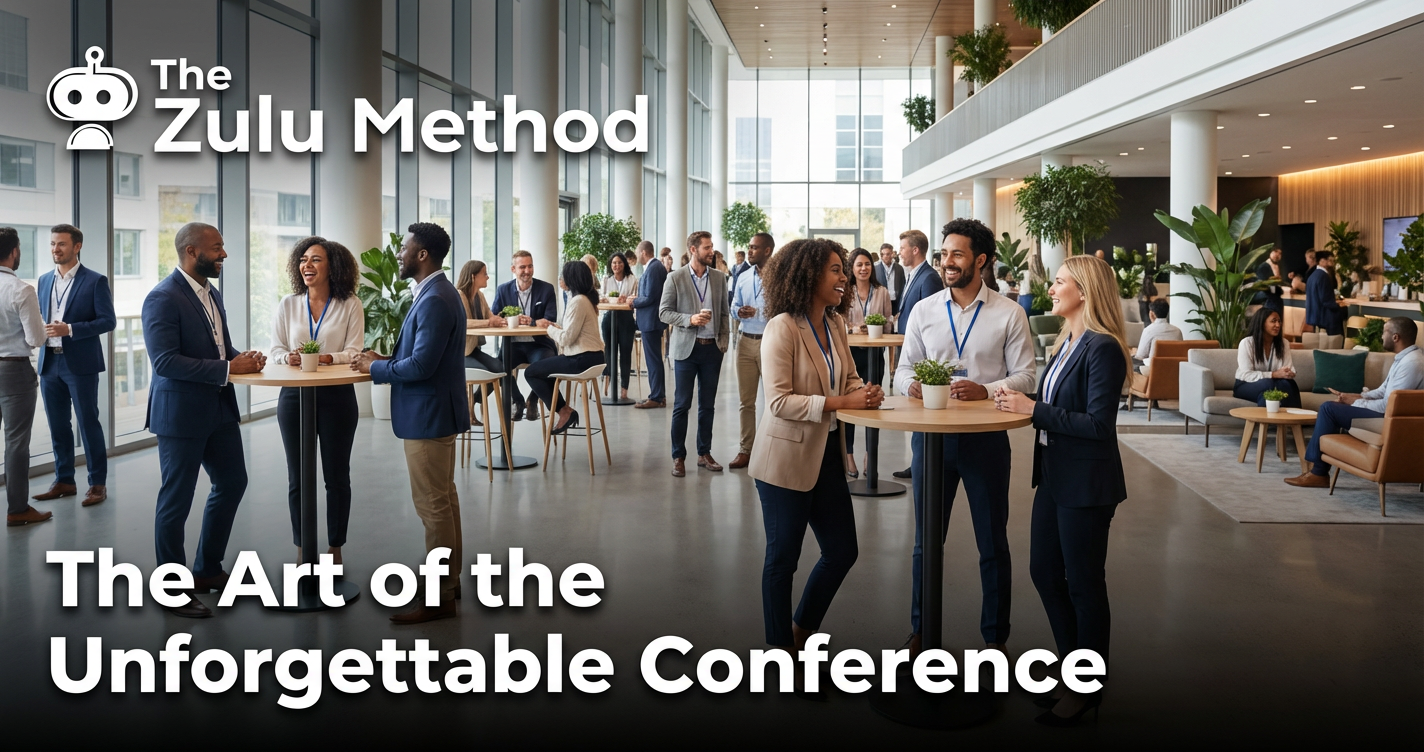
To help them connect, offer a mix of networking styles. Of course, unstructured time like coffee breaks is important for casual chats. But adding structured sessions makes a big impact. These focused activities help people bypass the small talk and find others with shared interests.
For example, you can host "brain dates" where people are paired for short talks. Or, set up themed tables at lunch based on job roles. These formats are highly valued, as the Freeman Trends Report for 2024 shows attendees want to meet peers with similar challenges.
Your event app can also lend a hand. Many platforms use AI-powered matchmaking to suggest connections based on attendee profiles and interests. It takes the guesswork out of networking. And it gives people a good starting point for who to meet, encouraging proactive interaction.
The physical layout of your venue is just as important. Traditional rows of chairs are fine for presentations but discourage interaction. You need to design spaces that encourage people to gather and talk spontaneously. This little change can transform the atmosphere of your event.
Create small collaborative pods or lounge areas with comfortable seating. These "collision points" make it easy for attendees to start a conversation. When the environment is welcoming and social, people are much more likely to build lasting professional relationships.
UNIQUE ANGLE: The Human-Centric Conference: Prioritizing Wellness and Inclusivity

A great conference looks after its people, not just its schedule. It's about creating an experience that feels good for everyone, from start to finish. This means focusing on attendee wellness and making sure every single person feels welcome and safe. This focus transforms your event.
True inclusivity goes far beyond just having ramps. Think about all your attendees. Offer a quiet room for people who feel overstimulated or need a moment alone. This simple gesture supports neurodiversity and makes your event much more accessible for everyone who attends.
Other small details can make a huge difference. Clearly label food options for various dietary needs so people can eat with confidence. Make sure your event app and website are easy to use for everyone, including those who may use screen readers. This is digital accessibility in action.
Multi-day events can be draining. Back to back sessions and constant networking often lead to serious burnout. This stress is so real that one industry report highlights widespread exhaustion among event professionals, a feeling that attendees definitely share during a packed conference.
Fight this fatigue by building real breaks into your schedule. These should be more than just quick coffee runs; they should be dedicated 'brain breaks.' Consider offering short wellness activities like a guided meditation or a simple yoga stretch. Even providing access to spaces with natural light helps.
A feeling of safety is non-negotiable. Every single conference needs a clear and public Code of Conduct. This is a simple set of rules that outlines expected behavior from all participants. It sets the tone for a respectful and professional environment from the very beginning.
Your Code of Conduct shows you are serious about protecting your guests. It helps ensure everyone, regardless of their background, feels secure and valued. As experts at The Conference Board stress, creating a fair and inclusive environment is a vital part of success and makes people want to contribute.
When you put people first, your conference transforms. It becomes more than just an industry meeting. It becomes a supportive community where genuine connection and real learning can happen.
UNIQUE ANGLE: Planning for a Better Planet: Sustainable Event Practices

Your conference can do more than bring people together. It can also be a force for good for our planet. Taking steps to make your event sustainable shows you care. It sets a positive example and helps protect the world we all share. These changes can be simple but powerful.
A great place to start is by cutting down on waste. Ditch single-use plastics like water bottles and offer refill stations instead. You can also go digital with your programs and signs. An event app replaces paper schedules that often get thrown away. Just be sure to have a good recycling system.
The partners you choose matter, too. Work with venues and caterers who are serious about sustainability. Look for those that source food locally to cut down on transportation pollution. This not only helps the planet but also supports the local economy. Your choice of partners has a big impact.
Successful events are already proving this is possible. For instance, some large conferences have achieved nearly 99% reuse of their build materials and an 80% recycling rate for signage. As case studies from the event experts at MeetGreen show, tracking and reporting these wins inspires others.
Travel is often the biggest source of an event's carbon footprint. Data from CarbonMark on the event industry's carbon footprint shows it can cause up to 90% of all emissions. You can help by offering carbon offsetting options during registration. This lets attendees balance their travel impact.
Promoting public transport or ridesharing also makes a difference. Planning a sustainable event doesn't have to be hard. Every small choice adds up, creating an experience attendees can feel good about. It shows your industry is committed to building a better future for everyone.
Beyond the Final Session: Building a Post-Conference Flywheel
The experience doesn't end when the last session wraps up. That's when you can turn a single event into a year-round engagement flywheel. This keeps the momentum going long after attendees have gone home, creating lasting value.
Start by gathering meaningful feedback. Instead of generic "rate this session" questions, deploy targeted post-event surveys. Ask specific, actionable questions that will inform your next event. For example, inquire which networking format led to the best connections or what topic they need a deep dive on.
Next, give your content a longer life. Create a post-event content hub with session recordings, slide decks, and summary blog posts. This adds immediate value for attendees and also serves as a great marketing tool for your next conference.
Focus on materials from your most popular sessions. Since a 2024 Freeman trends report shows people prefer hands-on workshops, include resources from these interactive experiences. This gives everyone access to your best content.
The relationships formed are valuable. Nurture this new community on a dedicated platform like Slack or a regular newsletter with exclusive updates. This creates a space for ongoing conversations and networking that continues well beyond the event itself.
Brands like Peloton do this well. Their annual "Homecoming" event fuels a community that engages all year. As Aspire's blog on brand communities highlights, the in-person gathering strengthens online ties. This shows how a conference can spark lasting loyalty and connection.
Conclusion: From Good to Unforgettable
Planning a great conference isn't just about booking rooms and speakers anymore. It's about designing a true experience. The mindset is shifting from simple logistics management. Now, it's all about creating moments that resonate with people and make them feel a part of something special.
When you build your event around a clear purpose and human-centered values, it becomes unforgettable. Attendees don't just leave with a bag of freebies. They leave with new connections, fresh inspiration, and a feeling of belonging. This is what transforms a good conference into a great one.
And today's attendees want to participate, not just watch. In fact, a 2024 report on attendee behavior shows that 75% favor interactive workshops over traditional lectures. People are looking for hands-on learning and real conversations. It's a clear signal to rethink old formats.
So, here is a challenge for your next event. Don't try to change everything at once. Choose just one unique idea from this guide. It could be adding a wellness zone, trying an interactive session format, or creating a quiet space. Commit to making it happen and watch the positive impact it has.
Frequently Asked Questions
What are the key elements of a successful conference?
Successful conferences rest on five core pillars: a clear purpose that defines why you're hosting the event, compelling content that delivers value, high engagement strategies that keep attendees active, meaningful networking opportunities that foster connections, and a strong post-event follow-up plan that extends the experience beyond the venue.
How do you make a conference more engaging for attendees?
Enhance engagement by implementing interactive technology like polls and Q&A platforms that enable real-time participation. Design varied session formats including workshops and roundtables rather than just lectures. Add gamification elements such as challenges or leaderboards to incentivize participation. Finally, facilitate structured networking opportunities that help attendees connect meaningfully with peers facing similar challenges.
How can I improve networking at my conference?
Take a two-pronged approach to networking by providing both structured and unstructured opportunities. Implement structured formats like themed meetups, brain dates, or interest-based lunch tables to help attendees find peers with similar challenges. Complement these with technology solutions such as AI-powered matchmaking in your event app that suggests relevant connections based on attendee profiles and interests.
How do you measure the success of a conference?
Measure success through both quantitative metrics (attendance figures, revenue, app engagement rates) and qualitative feedback (post-event surveys, social media sentiment analysis, community growth). The most meaningful measurements tie back to your initial conference goals—whether that's knowledge transfer, relationship building, or business development—rather than focusing solely on attendance numbers.
What are some innovative conference formats beyond the standard keynote?
Move beyond traditional keynotes with peer-to-peer problem-solving sessions where attendees collaborate on shared challenges. Try "unconference" formats that allow participants to determine session topics. Incorporate short, high-energy "spark" talks similar to TED talks to maintain engagement. Hands-on learning workshops that emphasize practical skill development consistently rank as attendee favorites according to recent research.
How can I make my conference more inclusive for neurodiverse attendees?
Create a more inclusive environment by offering a designated quiet room where attendees can decompress away from sensory stimulation. Use clear, simple signage throughout the venue to improve navigation. Provide detailed schedules well in advance to help with planning, and encourage speakers to share their slides beforehand so attendees can review materials at their own pace.
What's the first step to making a conference more sustainable?
The first and most impactful step toward sustainability is performing a waste audit of your previous event to identify the biggest sources of environmental impact. Once you understand your baseline, focus on eliminating single-use plastics by offering refillable water stations and implementing a digital-first communication strategy that reduces paper waste through event apps and digital signage.